



Rotomoulding
What is rotomoudling?
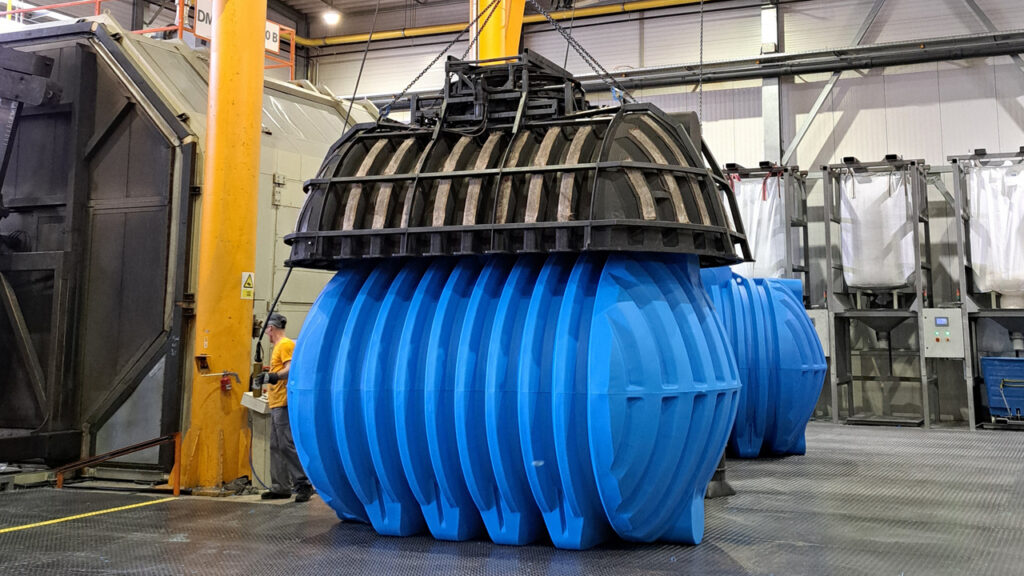
Rotomoulding (rotational moulding) is an advanced manufacturing process for producing durable, hollow plastic products, in which the material is evenly distributed along the inner surface of a mould through biaxial rotation.
The result is products with no internal stresses, uniform wall thickness and high mechanical and chemical resistance.
This technology enables the production of complex geometries without welding or additional joining (monolithic products), which significantly increases the strength, durability and reliability of the final product.
Performance
How does rotomoulding work?
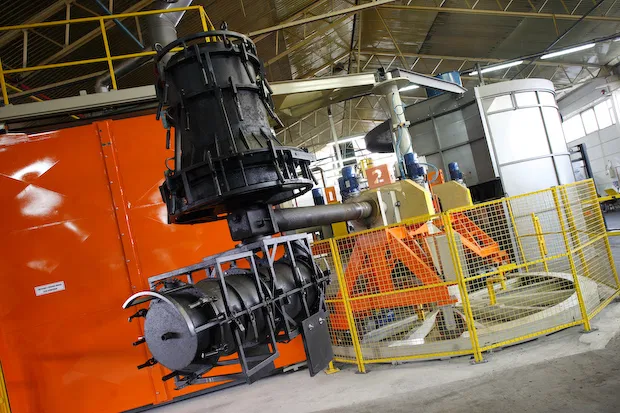
Rotomoulding works by introducing ground polymer granulate (typically polyethylene) into a heated mould, which is then rotated around two axes. During this process, the material melts evenly and gradually coats the inner walls of the mould. In the cooling phase, it solidifies into a final seamless hollow shape.
Mould preparation
The pre-manufactured mould, produced in our in-house toolmaking facility, is cleaned, inspected, coated if necessary and securely closed prior to the rotomoulding process. This ensures it is properly prepared for uniform material loading and controlled heating.
Mould preparation
The pre-manufactured mould, produced in our in-house toolmaking facility, is cleaned, inspected, coated if necessary and securely closed prior to the rotomoulding process. This ensures it is properly prepared for uniform material loading and controlled heating.
Filling
The required amount of material (raw polymer) is precisely measured and introduced into the prepared mould. The mould is then securely closed and prepared for the subsequent heating and biaxial rotation process.
Filling
The required amount of material (raw polymer) is precisely measured and introduced into the prepared mould. The mould is then securely closed and prepared for the subsequent heating and biaxial rotation process.
Melting and rotation
During heating, the mould rotates around two axes, causing the material inside to melt and evenly distribute across the inner walls of the mould due to centrifugal forces. This process forms a uniform hollow structure of the product.
Melting and rotation
During heating, the mould rotates around two axes, causing the material inside to melt and evenly distribute across the inner walls of the mould due to centrifugal forces. This process forms a uniform hollow structure of the product.
Cooling and rotation
After the melting phase, the mould is gradually cooled while maintaining biaxial rotation. Continuous rotation ensures that the cooling material remains evenly distributed along the mould walls, allowing it to solidify uniformly and form a stable, structurally consistent final product.
Cooling and rotation
After the melting phase, the mould is gradually cooled while maintaining biaxial rotation. Continuous rotation ensures that the cooling material remains evenly distributed along the mould walls, allowing it to solidify uniformly and form a stable, structurally consistent final product.
Demoulding and inspection
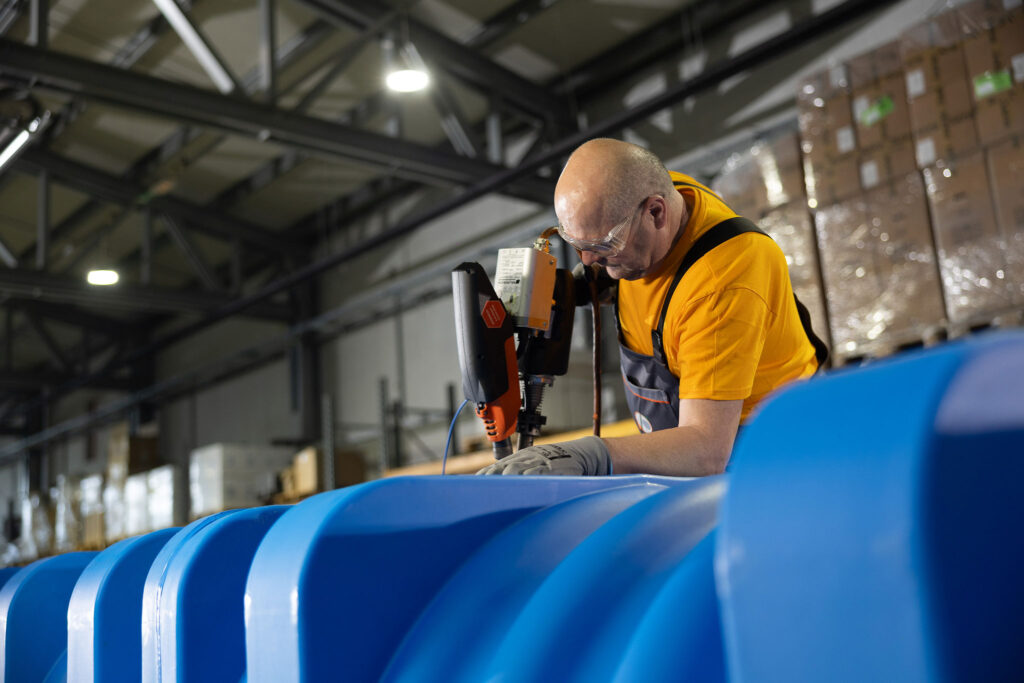
After cooling, the product is removed from the mould. A visual and dimensional quality inspection is performed to verify compliance with customer technical requirements and applicable standards.
Demoulding and inspection
After cooling, the product is removed from the mould. A visual and dimensional quality inspection is performed to verify compliance with customer technical requirements and applicable standards.
Why rotomoulding?
Rotomoulding is an ideal process for manufacturing hollow and technically demanding polyethylene products, especially in cases where other technologies such as injection moulding, blow moulding or welding are not suitable or fail to meet requirements.
ROTOMOULDING PRODUCTS
Our solutions and product programs
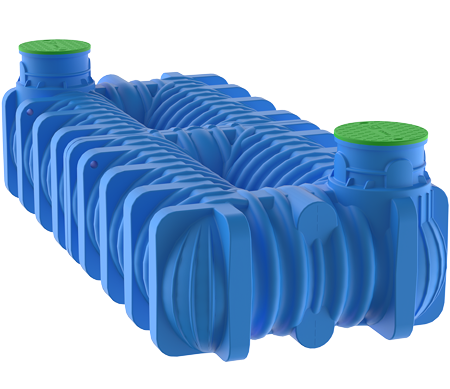
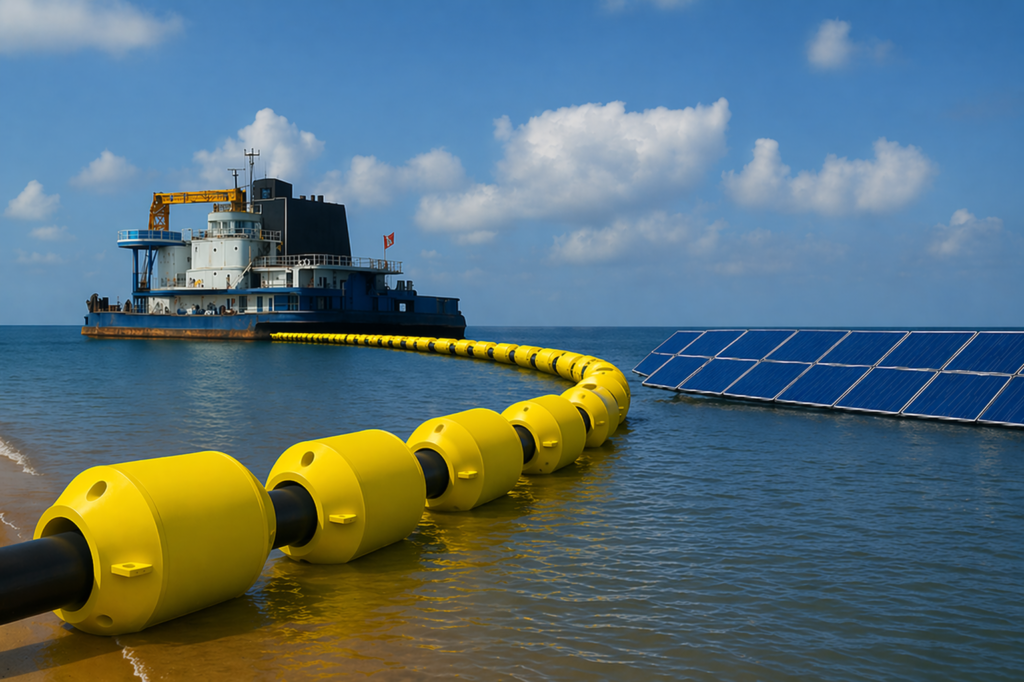
At Aplast we develop and manufacture advanced products using modern rotomoulding technology. Through in-house development and integrated production we deliver high-quality solutions for various industries with a strong focus on quality safety and efficiency.




Frequently asked questions
What is rotomoulding?
Rotomoulding, rotomolding, rotolining, or rotational moulding is a polymer processing technology in which the material is evenly distributed over the inner surface of a rotating mould. The process enables the production of seamless hollow products with uniform wall thickness, ensuring high mechanical strength, leak-tightness, and long service life.
What are the main advantages of rotomoulding?
The main advantages include the production of seamless products without weak points high design flexibility the ability to manufacture complex geometries and virtually unlimited dimensions. In addition the process enables optimal material utilization low internal stresses and high resistance to impact chemicals and weathering.
What are the dimensional limitations of the products?
One of the key advantages of rotomoulding is its size flexibility. It enables the production of very small components as well as large tanks reservoirs or technical elements of substantial dimensions for example AQUAstay up to 70,000 litres.
Is custom product manufacturing possible?
Yes, we specialize in the development and production of custom products. We involve the client throughout the entire process from concept development and design to tooling prototyping and serial production. Solutions are tailored to the functional technical and economic requirements of the project.